Based on the book A Century of Chaney’s - By Lon Chaney Jr. and Ron Chaney
Lon Chaney
Artist
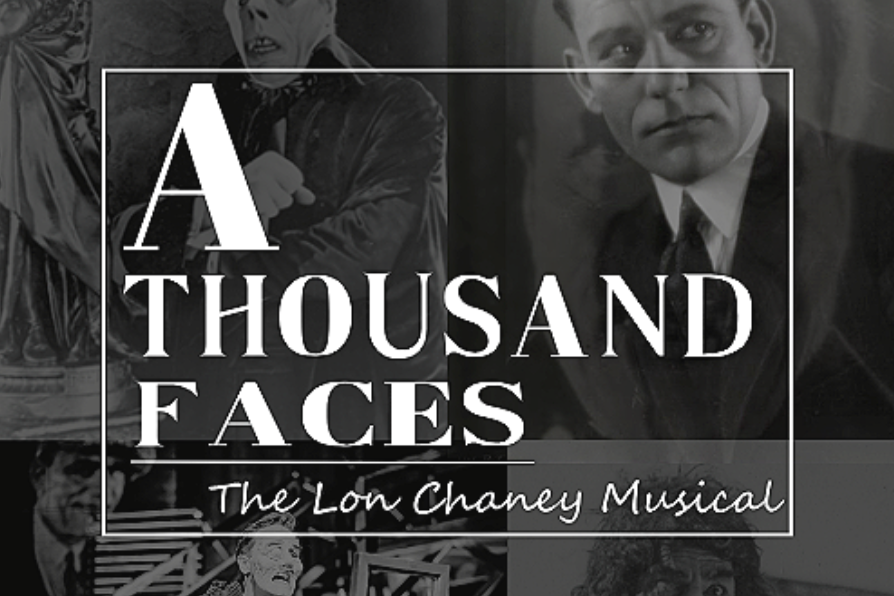
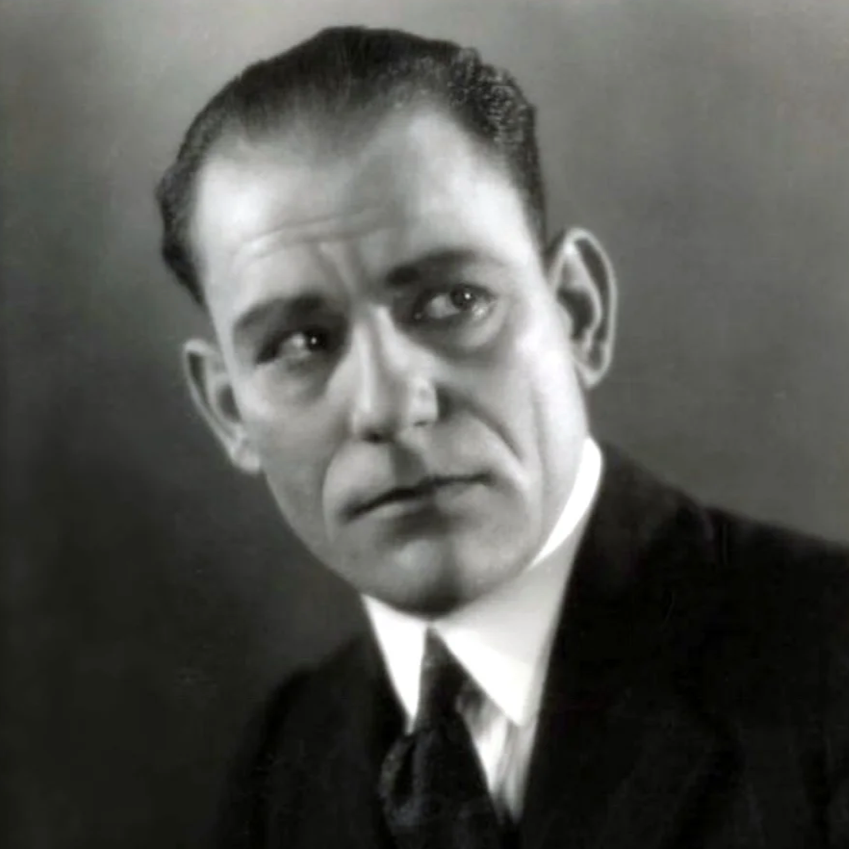
Lon Chaney was born April 1, 1883 in Colorado Springs, Colorado. He was the son of deaf parents, Frank and Emma Chaney, and he learned from childhood to communicate through pantomime, sign language and facial expression. In 1901, he went on the road as an actor in a play that he co-wrote with his brother titled The Little Tycoon. Later, while on tour, he met Francis Cleveland Creighton, (Cleva). When the show ended its run, she was asked to join the traveling entourage. During their travels, Lon and Cleva became “sweethearts” and while touring, Cleva became pregnant. In February of 1906, she gave birth to Creighton Tull Chaney. They arrived in California in 1910 and found consistent employment with Lon as a stage manager, choreographer and actor, while Cleva became a popular singer in Cabaret shows. Their marriage became strained due to working conditions, money and jealousy. In April of 1913 after continued disputes, Cleva entered the Majestic Theater where Lon was working and in a suicidal attempt swallowed a vial of poison. The poison damaged her vocal chords putting an end to her career and marriage to Lon. The public scandal also damaged Lon’s stage career and he was forced to seek new employment. He turned to the booming industry of silent films. This move began one of the most legendary acting careers in film history. Between 1913 and 1930 he played more the 150 widely diverse roles, frequently villainous and sometimes bizarre and macabre, almost always pathetic and moving. In 1919, Lon received critical acclaim for his role in George Loane Tuckers The Miracle Man portraying “The Frog,” a con man who pretends to be cripple and is miraculously healed. Lon often suffered to achieve the character he was portraying. In 1920, for The Penalty, he had his legs bound tightly behind him in a harness, inserting his knees into leather stumps devised as artificial legs with his feet bound at the thighs. This was a very painful ordeal that would cut circulation to his legs resulting in broken blood vessels. For The Hunchback of Notre Dame in 1923 he devised a hump and harness reportedly weighing in excess of 50 pounds, twisting his torso to feel the pain of Quasimodo. In 1925, Lon created the makeup that secured him into film immortality with his portrayal as “Erik,” the tortured opera ghost in The Phantom of the Opera. His ability to portray an endless variety of characters led Lon to be called “The Man of a Thousand Faces.” Like Charlie Chaplin, he shunned the transition to talking films and was one of the last silent screen stars to holdout against speaking roles. His stock and trade as he professed “was in makeup and the art of pantomime.” In 1930 he made his one and only talking film, a remake of 1925 The Unholy Three. He played Echo, a crook ventriloquist and used five different voices in the movie, thus proving he could make the transition from silent films to the talkies. Unfortunately, less than two months after the film’s release on August 26, 1930, he died from a throat hemorrhage. MGM Studios was ordered to stop production and observe a period of silence while Lon’s remains were lowered to their final resting place. The world mourned his passing and lost one of film’s most unique and greatest actors. Over 85 years since his passing, his legacy continues to grow. He left a lasting mark on the industry and was a one of a kind actor who will never be replaced. The characters and makeup he created continue to inspire new artists of today.